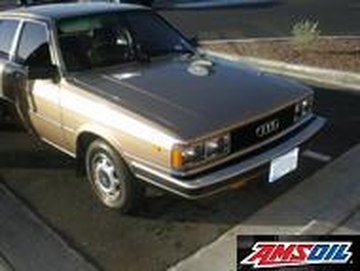
Lubrication Maintenance for the 1982 Audi 4000 2.2L
Maintaining the engine lubrication system in a vehicle like the 1982 Audi 4000 with its 2.2L engine requires consistent attention to detail and an understanding of how fluids behave as mechanical components age. Proper oil management is a cornerstone of long-term engine health, ensuring that internal moving parts remain protected against friction and thermal stress.
Monitoring Fluid Integrity and Condition
Regularly checking the condition of your engine oil can provide significant insight into the overall state of the engine. When performing routine checks, look for changes in the lubricant's appearance or consistency. For example, if the oil appears excessively dark or contains visible particulates, it may indicate that the oil has undergone significant thermal breakdown or that contaminants are present within the system.
It is also useful to observe the color and texture of the fluid. While some darkening is expected as oil ages through normal use, extreme discoloration can sometimes be associated with other issues. If you notice any unusual odors coming from the engine area during or after operation, this warrants a closer inspection to determine if oil is contacting hot external surfaces. Such symptoms do not point to one specific failure but serve as important indicators that the vehicle's sealing or containment integrity should be evaluated.
Observing Potential Warning Signs
Effective maintenance involves being proactive about recognizing changes in how the vehicle operates. While many issues develop gradually, certain signs should prompt immediate investigation. If you notice an increase in lubricant consumption—meaning the oil level on the dipstick drops more frequently than expected between service intervals—it is important to identify the cause rather than simply adding more fluid.
Visible evidence of seepage or leakage around the engine block or under the vehicle can be a primary indicator that gaskets or seals are no longer providing an effective barrier. Additionally, keep a close eye on any dashboard indicators related to oil levels or pressure. If a warning light illuminates, it is critical to stop the engine and investigate immediately, as this may indicate a loss of lubrication efficiency. Remember that many different mechanical factors can lead to similar symptoms; therefore, professional diagnosis is often necessary to pinpoint the exact source of an irregularity.
Managing Maintenance Records for Long-Term Ownership
For owners of a 1982 Audi 4000, establishing a clear history of service is one of the most effective ways to manage the vehicle's longevity. If you have recently acquired this vehicle and do not have access to its previous service logs, your first priority should be to establish a maintenance baseline. This involves performing a thorough inspection of all fluids and filters and documenting their condition.
Keeping a detailed log of every oil change, filter replacement, and fluid top-off allows you to track patterns over time. For instance, if you notice that the frequency of oil consumption is increasing or that certain seals require more frequent attention, your records will help you distinguish between a sudden change and a gradual trend. This data is invaluable when deciding whether to focus on preventive maintenance or to address active mechanical concerns. A well-documented history also assists in distinguishing between necessary repairs and unnecessary component replacements, ensuring that maintenance efforts are directed where they are most effective.
Inspection of Aging Engine Components
As vehicles age, the materials used in various systems can undergo changes in flexibility and structural integrity. When inspecting the 2.2L engine, it is practical to look at more than just the oil itself. If equipped, inspect accessible drive belts for signs of wear such as cracking, glazing, or fraying. Similarly, check any visible hoses for signs of hardening, swelling, or surface deterioration.
Electrical connections and wiring harnesses should also be examined for signs of age-related brittleness or corrosion. Even if a component appears to be functioning correctly, the physical condition of its housing or connectors can provide clues about its remaining service life. Rather than replacing parts based solely on the age of the vehicle, use these visual inspections to prioritize maintenance based on the actual, current condition of the components. This approach allows for more efficient and targeted care of the engine and its supporting systems.
Prioritizing Service Tasks Based on Condition
Effective maintenance is not about performing every possible task at once, but rather about prioritizing actions that provide the most benefit to the vehicle's current state. When managing an older engine, it is often best to address active leaks or visible warning signs before moving on to broader preventive measures. If you observe evidence of fluid seepage, addressing those seals can prevent more significant issues down the road.
If your maintenance records are incomplete, focus on stabilizing the vehicle's baseline by ensuring all fluids meet the correct specifications and that filters are fresh. Once a consistent service pattern is established, you can shift your focus toward monitoring the gradual wear of aging materials. This strategy ensures that your time and resources are spent addressing the most pressing needs of the 1982 Audi 4000 while still maintaining a high standard of overall engine care.
Practical Guidance for Buying Engine Oil for the 1982 Audi 4000 2.2L
When it is time to replenish your lubricant, the most important step is to ensure that the product you select matches the specific requirements for your application. Do not rely on general automotive knowledge or assumptions based on the vehicle's age to choose a grade. Instead, match the engine oil to the application-specific viscosity information already displayed on this webpage.
Before finalizing your purchase, carefully check the product labeling to verify that the oil meets the appropriate quality standards and certifications. Depending on your specific needs and the current condition of your engine, you may choose between conventional, synthetic blend, or full synthetic formulations. Some high-mileage oil formulations also contain additives intended for use in aging engines, including seal-conditioning additives. Always prioritize the technical specifications provided in your vehicle's documentation to ensure the lubricant provides the necessary protection for your 2.2L engine.